What is the Darknet?
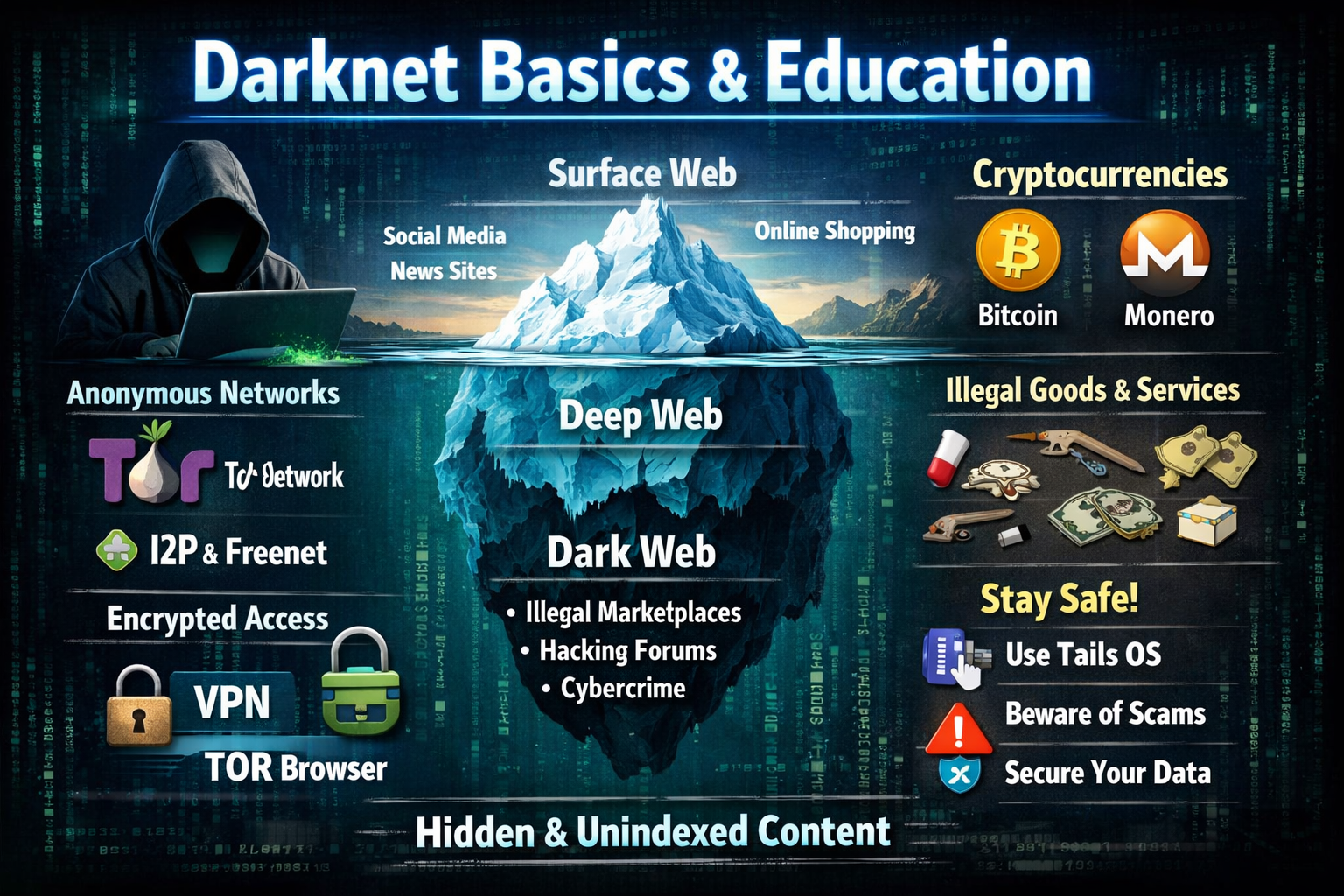
The darknet refers to a part of the internet that is intentionally hidden and inaccessible through standard web browsers. Unlike the surface web, which comprises the publicly accessible websites indexed by search engines, the darknet operates on an entirely different architecture. It is a segment of the deep web, which includes all content that is not indexed by standard search engines, such as private databases and password-protected sites. While the deep web is broad and contains legitimate content, the darknet specifically caters to content that is typically illicit or controversial in nature.
The structure of the darknet is facilitated by specialized software and protocols that prioritize user privacy and anonymity. One of the most notable technologies used to access the darknet is Tor (The Onion Router). Tor enables users to navigate the darknet by routing their internet traffic through a series of volunteer-operated servers, effectively masking their IP addresses and making their online activity difficult to trace. This ensures that individuals seeking anonymity can access various darknet resources without revealing their identity or location.
VPNs (Virtual Private Networks) can also play a pivotal role in enhancing anonymity on the darknet. By encrypting the user’s internet traffic and routing it through secure servers, VPNs add an additional layer of protection. Users often employ these tools in conjunction to bolster their privacy while exploring the multitude of offerings available within the darknet. It is crucial to understand that the darknet is not merely a haven for illegal activities; it also serves as a platform for free speech, privacy advocacy, and a refuge for dissidents facing oppression. Thus, understanding the darknet encompasses both its darker and more complex dimensions.
How to Access the Darknet Safely
Accessing the darknet can be an intriguing yet daunting endeavor. To navigate this anonymous realm safely, it is crucial to implement several protective measures that enhance your cybersecurity and identity privacy. First and foremost, using a reputable Virtual Private Network (VPN) is essential. A VPN encrypts your internet traffic and masks your IP address, making it significantly harder for third parties, including ISPs and hackers, to trace your online activities. When selecting a VPN, prioritize those with a no-logs policy and robust encryption standards.
In conjunction with a VPN, utilizing the Tor browser is fundamental for accessing the darknet. Tor stands for The Onion Router and works by routing your connection through multiple servers, further obscuring your identity. Download the Tor browser from its official website to ensure you are using an authentic version. It is important to only access .onion sites within the Tor network, as these sites are specifically designed for anonymity.
Operational security practices play a crucial role in safe darknet navigation. Ensure that you do not share personal information, remain cautious about the content you engage with, and avoid downloading files directly. These steps can prevent your identity from being compromised. Additionally, consider using cryptocurrency for transactions on the darknet to maintain anonymity. While Bitcoin is the most common currency, it’s essential to familiarize yourself with privacy-focused alternatives such as Monero.
While accessing the darknet, one must remain vigilant about potential risks, including exposure to illegal activities and damaging content. However, by adhering to these safety protocols and consistently updating security measures, users can mitigate many of these risks. Practicing prudence and employing the right tools will enable safer exploration of the various opportunities this unique digital space offers.
Typical Activities and Markets on the Darknet
The darknet, often heralded for its mystique and obscured nature, showcases a plethora of activities and markets that range from the legitimately beneficial to nefariously illegal. At its core, the darknet provides a space for privacy-focused forums, allowing individuals to express ideas freely, discuss sensitive subjects, or whistleblow without the fear of reprisal. These communities often advocate for civil liberties, human rights, and privacy, fostering a commendable environment for those seeking refuge from oppressive regimes.
Conversely, the darknet is notorious for illegal ventures. Drug sales have become emblematic of many darknet markets, with numerous platforms facilitating the buying and selling of substances that are often prohibited on the surface web. These transactions are typically conducted using cryptocurrencies, which serve to obscure buyers’ and sellers’ identities, further entrenching the illicit nature of these practices. Notable marketplaces such as Silk Road and AlphaBay once thrived on the availability of not just drugs, but a range of illegal goods and services, sparking legal battles and law enforcement crackdowns.
Aside from drug trafficking, cybercrime dominates several darknet discussions, encompassing everything from hacking services to identity theft. Cybercriminals frequently offer the tools and expertise necessary for executing various malicious activities, including the sale of stolen data or ransomware services. Despite the perils associated with engaging in such transactions, these markets continue to attract users seeking anonymity.
Ultimately, while the darknet is often associated with illegal activities, it also serves as a vital tool for those requiring a platform for legitimate purposes. The intricate tapestry of its markets reflects a duality—balancing the fine line between facilitating privacy and enabling crime.
Legal Implications and Ethical Considerations of the Darknet
The darknet operates within a complex legal framework that varies significantly across different jurisdictions. Users exploring this hidden part of the internet must navigate a landscape filled with risks and uncertainties. Many activities conducted on the darknet, such as the sale of illegal drugs and weapons, are overtly criminal and can lead to severe legal repercussions. Engaging in such activities not only invites law enforcement scrutiny but also raises profound ethical questions about accountability and responsibility in online behavior.
Despite its negative aspects, the darknet also serves as a refuge for users seeking anonymity and privacy, particularly in oppressive regimes where freedom of expression is severely limited. Activists and journalists rely on this layer of the internet to communicate securely and share sensitive information without fear of reprisal. Thus, while anonymous browsing can facilitate criminal behavior, it simultaneously embodies a critical tool for safeguarding human rights under specific conditions.
Law enforcement agencies continue to grapple with the challenge posed by the darknet. Their approach includes monitoring illegal activities, uncovering criminal networks, and sometimes employing hackers to infiltrate these spaces. However, the effectiveness of such measures raises ethical dilemmas regarding privacy versus security. The ethical considerations surrounding surveillance practices and the rights of individuals to operate in anonymity are hotly debated, highlighting the tension between ensuring public safety and respecting personal freedoms. Moreover, various countries have different regulations regarding the darknet, which compounds the ambiguity for users who might unwittingly break the law.
In conclusion, the darknet stands at the intersection of legality and ethics, challenging users to consider the consequences of their online actions. Understanding the legal implications is essential for navigating this intricate environment, promoting a more informed and responsible approach to online anonymity and privacy.